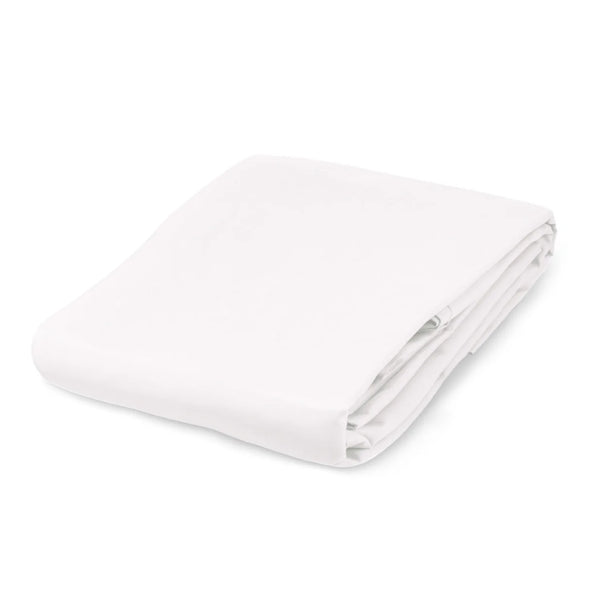
Getting the Right Fit for Your Cot Sheets
Baby cot mattresses come in different sizes, so measuring your mattress before choosing sheets is worthwhile. Even small differences in length, width or depth can affect how snugly a fitted sheet stays in place.
- Measure the mattress, not the cot. Common mattress sizes include 130 × 70 cm, 132 × 70 cm and 120 × 60 cm.
- Check the depth, too. The sheet needs to fit over the mattress corners without coming loose.
- Match the sheet to your mattress. Check the product dimensions before buying, especially if you have a compact or less common cot size.
Check your cot’s shape and size:
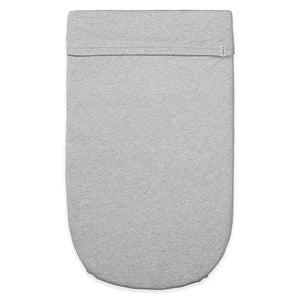
- For oval cots - Leander offers an oval cot design, so choose a fitted sheet made specifically for the mattress shape and dimensions.
- For compact cots - Check the exact mattress dimensions, as these are often smaller than standard cot sizes.
- For designer cots - Some designer cots have unique mattress dimensions, so check your cot’s specifications and choose a fitted sheet made to fit that particular model.
A snug fit matters just as much for safe sleep. Red Nose recommends a firm, flat mattress that’s the right size for the cot, with a fitted sheet and no loose bedding. Getting the measurements helps you choose a sheet that fits securely and supports a safer sleep environment.
Tips for Choosing the Right Fabric:
- Look for breathable fabrics
Australian nights can get warm, especially in summer, so breathable cot sheets can keep your baby comfortable. Cotton is a popular choice for its breathability, while jersey cotton has a soft, stretchy feel that fits neatly over the mattress.
- Think about softness and sensitive skin
As your baby spends plenty of time in contact with their sheets, fabric softness is worth considering. Organic cotton is another good choice as it’s gentle on delicate skin and free of harsh chemicals. If your baby has sensitive skin, look for gentle fabrics and wash new sheets before first use.
- Choose a durable fabric
Between dribbles, nappy leaks and little spills, cot sheets can end up in the wash regularly. Check the care instructions before buying, and look for a fabric that suits your laundry routine. Following the recommended washing and drying instructions helps your sheets keep their feel and fit over time.
How Many Cot Sheets Do You Need?
Three to four cot sheets is a useful starting point: one on the mattress, one clean sheet ready to go, and two spares for leaks or middle-of-the-night changes. If you use a waterproof mattress protector, you may be able to avoid changing every layer when there’s a small spill, depending on what gets wet.
Need a few more nursery bedding essentials? Explore our Baby Manchester collection for cot sheets and other bedding options.
How to Layer Cot Sheets and Mattress Protectors
Place the mattress protector directly onto the cot mattress, then fit the cot sheet over it. The protector helps shield the mattress from nappy leaks and spills, so you’re not left trying to clean the mattress after a midnight change.
A spare protector can also be handy for those nights when both layers need changing. Browse our cot mattress protectors to find an option that suits your cot.
Cot Sheet Care: Washing and Drying Tips
- Check the care label - Follow the recommended wash temperature for your sheet’s fabric. Hot water isn’t always better and may cause some fabrics to shrink.
- Line dry when you can - Air drying helps avoid the high heat of a tumble dryer, which can contribute to shrinkage.
- Avoid overheating - If you use a dryer, follow the care label and choose a suitable setting. Sheets that shrink may no longer fit the mattress properly.
- Check the fit after washing - Make sure the sheet still sits snugly around the mattress corners, without coming loose.